Tooth Replacement 101: A Guide to Implant-Supported Dentures
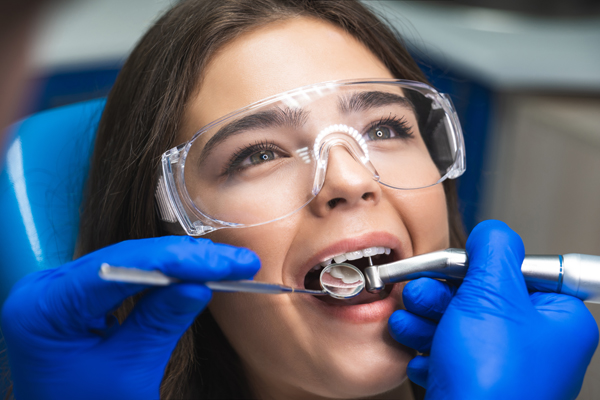
Tooth loss affects appearance and the ability to chew, speak, and smile with confidence. Fortunately, implant-supported dentures can replace multiple teeth with a natural look and feel. This advanced tooth replacement is also known for its durability, stability, and ability to prevent jawbone loss. A general dentist trained in implant dentistry can help patients understand their options and guide them through each step of the process.
Replacing teeth with implant-supported dentures
Unlike traditional dentures that rest on the gums and rely on adhesive for support, implant-supported dentures are anchored to the jawbone using dental implants. These small titanium posts replace tooth roots to create a solid foundation for the denture arch. A permanent denture is then attached via connecting pieces (abutments) for improved comfort and functionality over traditional dentures.
In many cases, a full arch can be supported with just four to six implants. This allows the general dentist to restore an entire row of teeth with fewer surgical placements than traditional dental implant methods would require. The implants also help preserve bone density, reduce irritation to the gum tissue, and eliminate concerns about slippage during eating or speaking.
How long is the process?
The full process for implant-supported dentures varies depending on the patient’s oral health and whether any qualifying procedures are needed. Tooth extractions and bone grafting are common examples. For reference, here is the general timeline for most patients:
- Initial consultation and imaging to assess bone density and treatment goals
- Implant placement surgery, followed by a healing period of three to six months to allow the implants to fuse with the jawbone
- Attachment of abutments and impressions for the final prosthetic
- Placement of the permanent denture, completing the implant-supported dentures
A general dentist oversees each stage of the process, ensuring proper integration of the implants and optimal fit of the final restoration. The full timeline may span several months. However, since the implants become part of the jawbone, the final result feels, looks, and functions like real teeth.
Who is a good candidate?
Most healthy adults with missing teeth can qualify for implant-supported dentures, although general dentists look for several factors to determine candidacy. The jawbone, for example, must be strong enough to support the implants. If the patient has experienced jawbone loss or shrinkage, they may need bone grafting to create a stable foundation for the implants. Good oral hygiene habits and overall health also play an important role in treatment success.
A dentist will review medical history, medications, and lifestyle factors such as smoking, which can affect healing and implant success. Patients with chronic health conditions like uncontrolled diabetes or autoimmune disorders may need additional medical clearance before moving forward. For qualified candidates, implant-supported dentures offer a significant upgrade in comfort, function, and long-term stability.
Find out more in an appointment
Choosing implant-supported dentures is a big decision, but professional guidance helps make sure the process goes smoothly from start to finish. The team at GBR Dental can answer questions, evaluate oral health, and offer a customized plan that fits your or your loved one’s needs and goals. Schedule an appointment at our Prairieville office today.
Request an appointment here: https://gbrdental.com or call GBR Dental at (225) 754-4422 for an appointment in our Prairieville office.
Check out what others are saying about our dental services on Yelp: Implant Supported Dentures in Prairieville, LA.
Related Posts
After a root canal, the body begins a natural healing process that quickly restores comfort and dental health. While this is a common procedure that has a negative reputation, many patients feel nervous about undergoing pain treatment. Fortunately, recovery is usually smooth, straightforward, and manageable. Having clear expectations about post-treatment care in advance helps ease…
Helping younger patients establish healthy dental habits starts with the right environment and guidance. From the first visit, a dental practice has the opportunity to set the stage for positive oral care habits that will last into adulthood. The approach taken during these early years can make a big difference in how children view oral…
A dental practice focuses on preserving natural teeth, which are essential for long-term oral health. They support chewing, clear speech, and facial structure while contributing to a confident smile. Maintaining the original tooth structure also reduces the need for complex procedures and helps preserve the integrity of the surrounding teeth and gums. That is why…
A dental practice offers various services to help individuals maintain optimal oral health. Whether for routine cleanings, cosmetic enhancements, or restorative procedures, these services address different aspects of dental care. Regular visits to a dental practice ensure that individuals maintain healthy teeth and gums while addressing any concerns that may arise over time. Below are…